



All Christians are called to be ministers by virtue of their baptism—ministry is at the heart of our life together as the Body of Christ. In fact, our Canons require that “Each Diocese shall make provision for the development and affirmation of the ministry of all baptized persons in the Church and in the world”
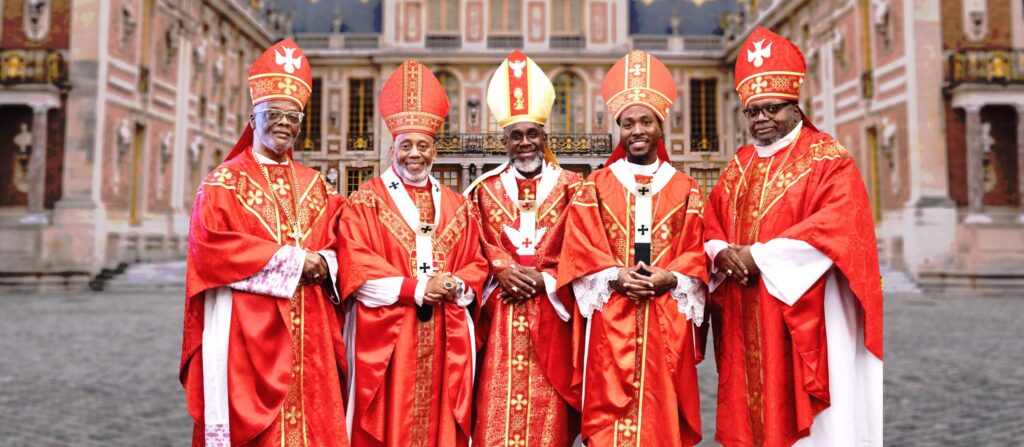
Most church ministers are lay ministers, whether their ministry serves the church’s life or the life of the world at large. Lay ministry offers the broadest, most varied opportunities for serving the world in Christ’s name. The hope of the Commission on Ministry is that all the baptized are discerning calls to ministry all of the time. A smaller percentage of Christians are called to ordained, “ordered,” ministries: specifically focused roles that symbolize the work of all Christians—as servants (deacons), as people who bless and pardon (priests), and as those who gather disparate humanity into unity in Christ (bishops). Perceiving the direction of one’s ministry is a matter of prayerful, but not solitary, deliberation. We experience God’s calls to us in ways as varied as we are. Some persons will identify a call through specific experiences in which they sense God inviting them to reach out to the world through ordination. Such a call can be very deeply felt, and submitting that deep sense of call to discernment challenges everyone involved. Sometimes church communities reach out to specific members, asking them to serve in a particular function or capacity. That, too, can be a pathway to vocation. Some calls come to persons from the church at large, expressing the need of a particular diocese of The Church. Each of these avenues can lead toward ordination; likewise, each may not.
Every Christian has a partner in this dance of call-and-response with God: the Body of Christ. Like individuals, the Church also continuously, attentively, and prayerfully searches for discernment. Every call to ordination, then, needs to be affirmed by both the aspirant and the wider church over time and across locales, so that ordination, like marriage, can be a covenant of mutual will, mutual purpose, and common joy.
At any stage in the process an aspirant may realize that he or she is not called to ordained ministry. Such a decision is not a failure. It reveals spiritual wisdom and attentiveness to God’s leading. Similarly, permission to proceed toward ordination may be withdrawn by parish or diocesan leadership (COM or Standing Committee) at any stage in the discernment process. That decision, too—though initially disappointing—may be a gracious doorway into satisfying and lively ministry as a layperson. Everyone involved in these discernments—aspirant, his/her congregation, rector, COM members, and bishop—will need time and opportunities to ask questions, to reflect, and to pray. The role of the bishop in discerning calls to ordination is pivotal. The bishop bears the ultimate responsibility whether to accept nominees as postulants; whether, upon written approval of the Standing Committee, to accept postulants as candidates for holy orders; and, after receiving the Standing Committee’s testimonial of approval, whether to ordain a candidate as deacon and priest. The Commission on Ministry oversees the multiple layers of discernment shared among aspirant, rector, local discernment committee, and diocesan leadership as they unfold in this process. The Commission on ministry also oversees the continuing formation of postulants and candidates as they prepare for ordination. At key points along the way, the COM gives the bishop and the Standing Committee their evaluations, recommendations, and attestations of progress in formation.
The purpose of the following guidelines and lists is to help an aspirant articulate and test what he or she has perceived as a call to Holy Orders. This work challenges everyone involved. We risk this vulnerability together to elicit insight, to clarify awareness, and to deepen faith. These are the marks of successful discernment, whether an aspirant is ordained or not. We hope that everyone involved will seek the joy in the journey, trusting the One who leads us sheep over many terrains before we reach home.
Taking initiative for your part of this journey is essential. Aspirants are responsible for tracking their own progress against the stated timelines and requirements. Completing all paperwork and assignments on time is the aspirant’s responsibility. Any member of the Commission on Ministry or the COM liaison assigned to you will gladly find answers to your questions—ask them!